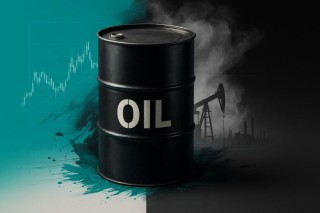
China cuts refined oil exports over Middle East crisis

China has tightened export restrictions on refined oil products as it seeks to shield its economy from the growing instability caused by the Middle East conflict, according to a report by Bloomberg News. The move comes as global energy markets remain volatile following the war involving the United States, Israel and Iran.
China is the world’s second-largest economy and the largest importer of crude oil, with most of its refining capacity focused on supplying the country’s vast domestic market. It also exports refined products such as gasoline, diesel and jet fuel, which totaled 58 million tonnes last year, according to official customs data.
However, Bloomberg reported that Chinese oil refiners have begun cancelling previously agreed export shipments of refined fuels, citing people familiar with the matter. The report said the latest directive represents a stronger step than earlier guidance issued last week, which merely advised companies to suspend shipments but was widely interpreted as optional. Speaking at a regular press briefing, Chinese foreign ministry spokesperson Guo Jiakun said he was not aware of the details of the reported measures.
Global oil markets have been rattled since the start of the conflict, with prices briefly rising above $100 per barrel as Iranian attacks across the Gulf region heightened fears of supply disruptions. The tension has overshadowed an emergency release of strategic oil reserves by the International Energy Agency. China is not a full member of the IEA, meaning it is not obligated to participate in coordinated releases of strategic reserves.
Energy security concerns have intensified because the Strait of Hormuz, a key maritime route through which about one-fifth of global crude oil passes, has effectively been shut amid the conflict. More than half of China’s seaborne crude oil imports last year came from the Middle East, according to energy analytics firm Kpler.
Despite this exposure, analysts say China’s extensive strategic stockpiles could cushion the impact of supply disruptions in the short term. Kpler estimates that the country holds around 1.2 billion barrels of crude oil in onshore storage, equivalent to roughly 115 days of seaborne imports. Beijing previously released oil from its strategic reserves in 2021 through the National Food and Strategic Reserves Administration to address rising factory-gate inflation.
So far, however, the agency has not announced any similar release in response to the current market turmoil. Guo Jiakun said earlier this week that China would take necessary steps to protect its energy security as the geopolitical crisis continues to disrupt global oil markets.
Leave a Reply